
Choosing the Right Industrial Tires for Middle Eastern Terrains


Understanding Middle Eastern Terrains
The Middle East is known for its diverse landscapes, ranging from vast deserts to rocky mountains. This region presents unique challenges for industrial vehicles, making the choice of tires crucial for optimal performance. Whether operating in sandy dunes or navigating rugged paths, selecting the right tires can significantly impact efficiency and safety.
Understanding the specific terrain is the first step in making an informed decision. For instance, sandy areas require tires that provide excellent flotation to prevent sinking, while rocky terrains demand durability and puncture resistance.

Types of Industrial Tires
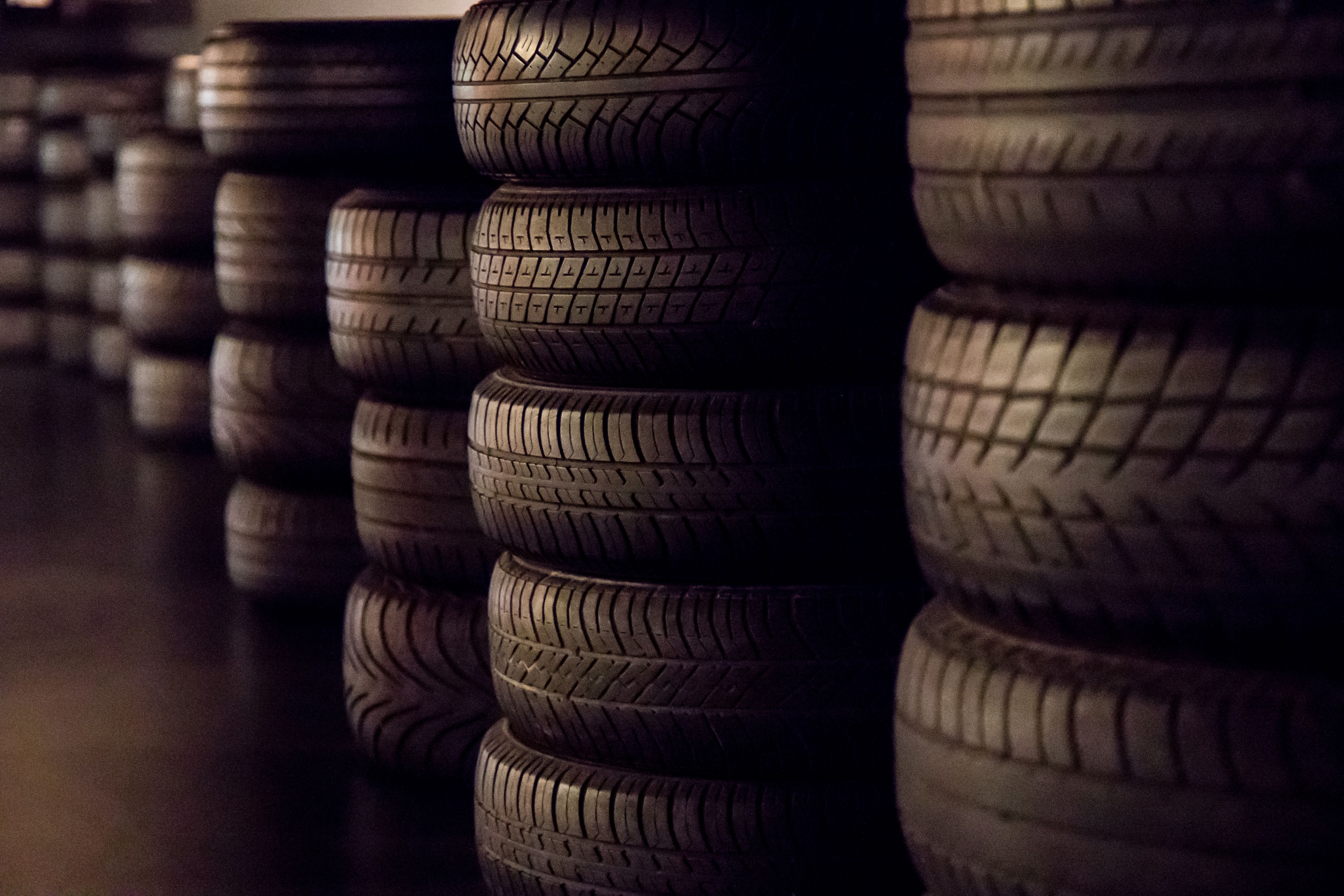
Industrial tires come in various types, each designed for specific purposes and terrains. The three main types are:
- Pneumatic Tires: These are air-filled and suitable for versatile terrains. They offer good shock absorption and traction but are prone to punctures.
- Solid Tires: Made entirely of rubber, these tires are puncture-proof and ideal for harsh environments like construction sites. However, they may lack the cushioning effect of pneumatic tires.
- Foam-Filled Tires: Combining the benefits of pneumatic and solid tires, these are filled with foam to prevent flats while maintaining some level of shock absorption.
Key Factors to Consider
When choosing industrial tires for Middle Eastern terrains, consider the following factors:
- Load Capacity: Ensure the tires can support the weight of the vehicle and its load. Overloading can lead to premature wear and failure.
- Traction: Select tires with superior traction to handle loose sand or slippery surfaces.
- Durability: Look for tires constructed with high-quality materials that can withstand extreme temperatures and rough conditions.
It's also essential to consider the frequency and intensity of use, as these factors will influence the tire's longevity and performance.
Maintenance Tips for Longevity
Proper maintenance is key to extending the life of industrial tires. Regularly check for signs of wear and tear, such as cracks or uneven tread patterns. Maintaining the correct air pressure is crucial for pneumatic tires, while solid and foam-filled tires require occasional inspection for structural integrity.
Additionally, rotating tires periodically can help ensure even wear, maximizing their lifespan and performance. Implementing a routine maintenance schedule will not only enhance safety but also reduce downtime and repair costs.
Conclusion
Choosing the right industrial tires for the varied terrains of the Middle East involves understanding the landscape, selecting the appropriate tire type, and considering key factors like load capacity and durability. By following the guidelines outlined above and maintaining your tires properly, you can ensure that your industrial vehicles operate efficiently and safely across these challenging environments.