
How to Navigate Tire Regulations in the Middle East and Africa


Understanding Tire Regulations in the Middle East and Africa
When it comes to tire regulations, the Middle East and Africa present a diverse and complex landscape. Each country may have its own set of rules and standards, making it essential for businesses and individuals to stay informed. This guide will help you navigate these regulations effectively, ensuring compliance and safety across both regions.
Key Regulatory Bodies
In the Middle East, the Gulf Cooperation Council (GCC) plays a significant role in setting standards for tires. The GCC Standardization Organization (GSO) provides guidelines that member states follow. In Africa, the landscape is more fragmented, with each country having its own regulatory body. Commonly, these bodies focus on safety, environmental impact, and quality standards.
It’s crucial to identify and understand the specific regulatory body relevant to your market. This will help you ensure compliance and avoid any potential legal issues. Businesses should regularly consult these bodies for updates on any changes in regulations.
Major Compliance Requirements
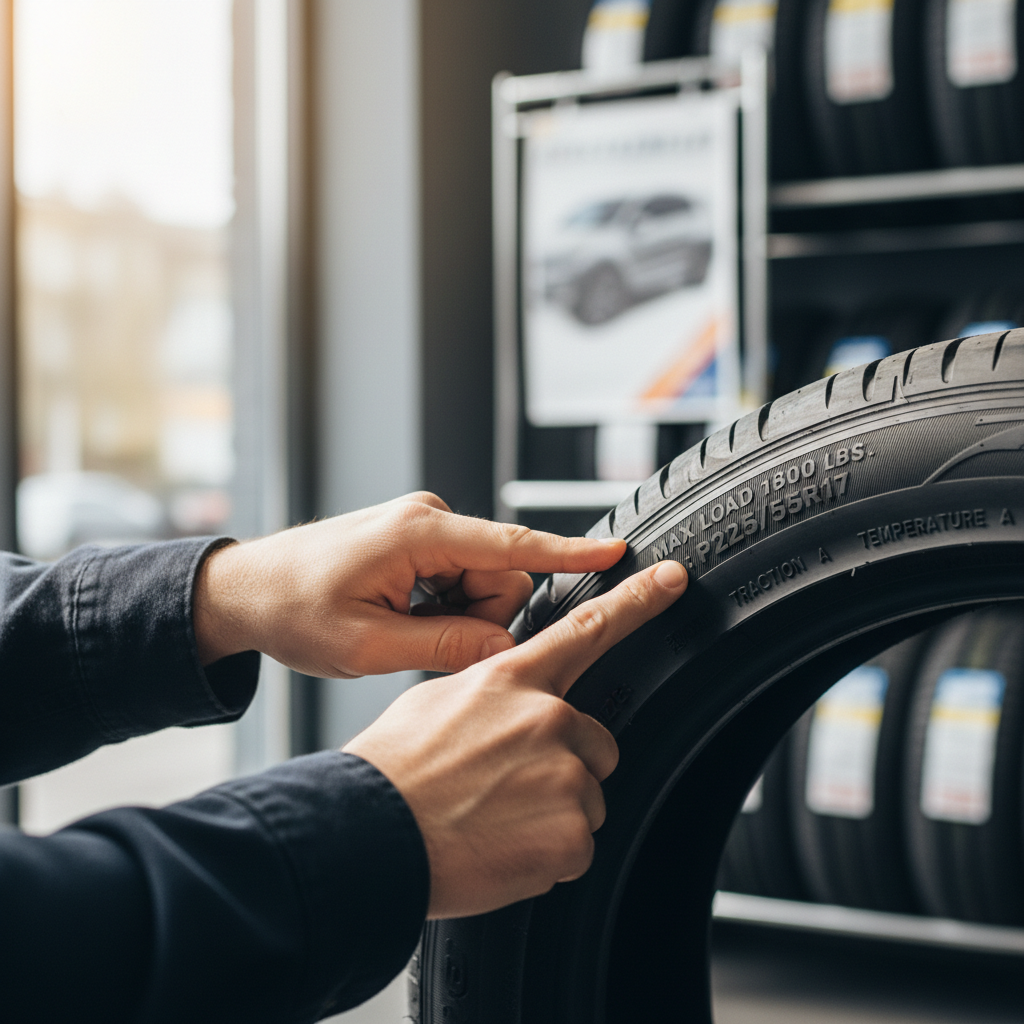
Compliance requirements often focus on tire labeling, certification, and performance standards. In the Middle East, tires must meet the GSO standards, which cover aspects such as load capacity, speed ratings, and safety features. In Africa, standards can vary, but many countries emphasize similar performance and safety requirements.
- Ensure proper tire labeling with the necessary certifications.
- Comply with performance standards, including load and speed ratings.
- Adhere to environmental regulations, such as recycling requirements.

Environmental Considerations
Both regions are increasingly focusing on the environmental impact of tires. Regulations often include guidelines for tire disposal and recycling. In the Middle East, countries like the UAE have implemented recycling initiatives to reduce landfill waste. Similarly, several African nations are adopting policies to encourage sustainable tire management.
Businesses should invest in eco-friendly tire technologies and recycling programs to align with these environmental regulations. This not only ensures compliance but also enhances corporate responsibility and brand reputation.
Challenges and Solutions
Navigating the regulatory landscape can be challenging due to the diversity of rules across different countries. One effective strategy is to partner with local experts who have a deep understanding of the regulations in their specific markets. This can help streamline compliance processes and reduce risks associated with non-compliance.
Additionally, staying updated through industry associations and regulatory news can provide valuable insights into upcoming changes. These resources often provide guidance on best practices and compliance strategies tailored to specific regions.
Conclusion
Successfully navigating tire regulations in the Middle East and Africa requires a proactive and informed approach. By understanding key regulatory bodies, compliance requirements, and environmental considerations, businesses can ensure they meet the necessary standards. Leveraging local expertise and staying informed about regulatory changes are essential strategies for maintaining compliance and achieving business success in these dynamic regions.